Trauma to Triumph: Unbreakable Resilience of an Incest Survivor
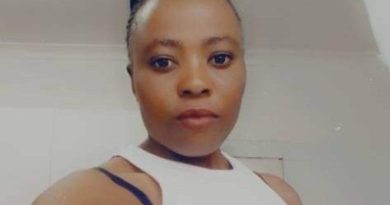
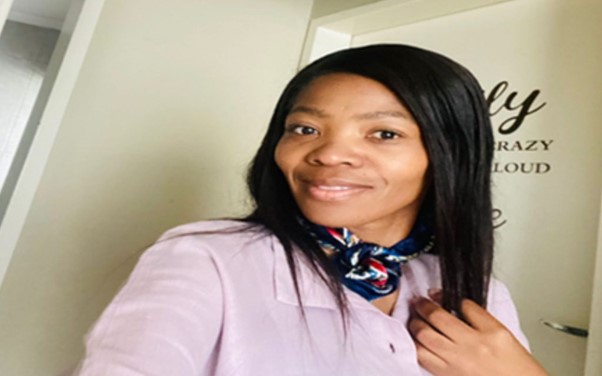
The story of Matlotlo Diphare, who suffered incest from her trusted Father at the age of 9 to 16-years, consequently was hospitalised for severe depression that prolonged her healing.
Can you briefly share your painful journey as an Incest Survivor?
“It all started when I was only 9-years-old, taking a bath. My mother, a security guard, was often absent due to the nature of her work. My Father, who I later discovered at the age of 16 was not my biological father, would watch me while I bathed. He would occasionally touch my private parts each time I am in the bath. As a child, I thought it was normal for Fathers to interact with their children in that manner. However, his behaviour escalated to sexual abuse. He would send my younger sister to the shops daily, so that he could raped me. The other day, after I had taken a bath, he called me into his bedroom. He undressed me with the gown I was wearing. He pushed me onto the bed and without altering a word, he roughly inserted his private organ into mine. He did not care when I told him it hurts. It was so painful. Sis’ Mantoa, each moment he penetrated me, I was praying for him to finish. Each time he raped me, he placed the gun on the pillow, silencing my screams. I feared he would shoot and kill me”
“He raped me until I was 16 years! During the process, he forced me to believe that he was making love to me and not raping me. The other month I missed my period, he coerced me to visit the clinic and he said, should I be found pregnant, I must request abortion. Fortunately, I wasn’t pregnant”
“I was scared and reluctant to tell my mother because I knew she wouldn’t believe me. When I was 16 years old, my younger sister became suspicious as to why our step-father consistently sent her to the shops whenever our mother was out for work. My younger sister saved my life. She pretended she was going to the shops, returned five minutes later, and caught my step-father in the act. She then reported it to my mother, but my mother dismissed it as a lie. My younger sister also reported it to my uncle. Fortunately, my uncle believed us”
Have you encountered any challenges in seeking justice?
No, I never pressed charges. My uncle went to Rabasotho police station to report the crime. On the day my step-father was supposed to be arrested, he shot himself in front of me, and died instantly.
What were some of the biggest challenges you faced during your recovery process?
This whole ordeal affected my confidence and led me to have low self-esteem, self-loath, depression, self –blaming and shame. It even led me to develop hatred towards men. I isolated myself from the people. I felt rejected and abandoned. The most painful part, my mother still refused to believe me, even when I told her that my father raped me multiple times.
What resources or support systems were instrumental in helping you during your recovery?
I felt very sick. Upon consulting the General practitioner, they discovered that I had severe depression requiring immediate intervention. I was referred to a psychologist who offered counselling. The Psychologist diagnosed me with an advanced stage of depression warranting quick intervention. I was again referred to the specialist, who then booked me in a psychiatric hospital where I spent three-weeks. I had prescription medication. I wasn’t myself because nothing made sense to me.
My hospitalisation for depression did not end my anguish. Because I was facing a trauma of being raped by my Father and the manner he committed suicide in front of my face”
When I returned home from the hospital, I discovered that he was my Step-Father. Desperate to find my biological father, I was shattered to learn that he had passed away when I was only three-years old. I was overwhelmed by despair. I found myself consumed by suicidal thoughts. I went to my bedroom and I ingested all the pills I had received from the hospital. As a result, I collapsed. During my unconsciousness, I experienced a sense of peace for the first time in my life. It was my sister who found me and she called my boyfriend. They rushed me to the hospital. I was admitted to the ICU for days. I suppose it wasn’t part of a divine plan for me to die; perhaps there was/is still a purpose for me to fulfil on this earth.
Was there any family support during your traumatic healing journey?
No support whatsoever! My mother pinned the blame on me for my Step-Father’s death. He coerced me into taking responsibility for being “reckless” in trying to get him arrested. She forced me to find a job to support her and my siblings. As a result, I had to drop out of school in Grade 11 and search for a job where my stepfather used to work. I was offered an admin position until I was retrenched. After I was retrenched, my mother took all of my retrenchment payout compensation and built a double garage for herself. I am currently working as a cleaner and searching for a receptionist or admin job.
Any specific achievements since overcoming gender-based violence?
I am happy to have found comfort in the Lord. I am blessed with two children and a loving husband who always supports and encourages me to speak out. Additionally, I am a motivational speaker advocating against gender-based violence.
Any opinion or anything else you would love to share/comment?
Sis’Mantoa, please allow me to do justice for my late little sister’s memory. I want to ensure her story is heard. She passed away a few years ago due to depression. My second mother’s boyfriend raped her from the ages of 4 – 9 years. Yet, my mother refused to believe my little sister. My advice to all young women, I urge them to speak out against incest to help end it. Our parents should prioritise believing us over protecting their partners or spouses.
Recommendations
Sis’Mantoa will assist her in enrolling with ABET to complete her Matric in order to fulfil her aspiration of becoming a Social Worker.