
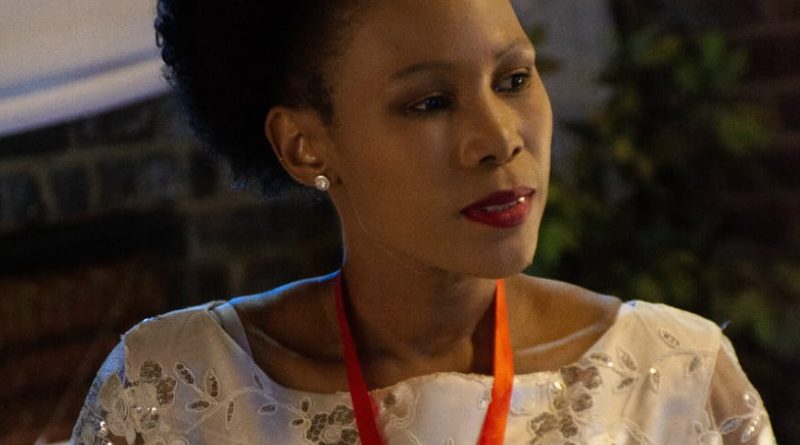
Mother of a Nation, But Unseen: Sis’ Mantoa Selepe’s Battle Against Gender Bias!
Sis’ Mantoa Selepe, a powerhouse gender equality activist and founder of AbafaziPhambili, was named Mother of the Nation by her community on October 10, 2022. This wasn’t just a quick decision but it was a true sign of respect for her role and title that reflects her compassionate, empathetic, kind, understanding, and equitable ( fair) leadership in fighting gender-based violence, gender based inequalities, and empowering underprivileged women.
Yet, the South Africans and those she helped like women who escape tough times, giving them the strength to succeed. Now, some of these women are doctors, journalists, and other professionals. But here’s the problem, today, some of these same successful women, who now have big roles in South Africa and abroad, are speaking out against the title her community gave her. This raises questions about cultural bias, male privilege and why titles chosen by communities for women are often ignored, unlike the respect given to male figures like the Pope, prophets, and pastors.
How Bias Distorts Who We Celebrate and Blinds Recognition
The lack of recognition for Sis’ Mantoa might come from cultural biases that favour men. In South Africa, history has often lifted up male leaders; soldiers, religious figures, and politicians; while women’s roles, even in freedom fights, were overlooked until recently. The Pope, chosen by Catholics, and prophets like the late Joshua of Nigeria, known across South Africa despite being foreign, gain respect through male-led religious groups with long traditions. Pastors, picked by their churches, also get wide acceptance. These titles benefit from systems that favour men, a privilege not easily given to women-led groups like AbafaziPhambili.
Sis’ Mantoa’s title, tied to a women-only organisation, goes against this norm. Her events are always packed, showing strong community support and a solid structure. But because it’s led by women, it might not be seen as equal to churches or other groups often run by men. This isn’t always open disrespect but could reflect old habits where men’s leadership is valued more, even in a country like South Africa that supports equality in law.
Why Politics Over Community Endorsement?
Some say Sis’ Mantoa should join a political group or get political support to make her title official. This suggests that government or party approval matters more than what her community thinks, which needs a closer look. Politicians are chosen by communities through votes; the same grassroots support that named Sis’ Mantoa Mother of the Nation. If a community can put a politician in power, why isn’t that enough for her? This difference hints at a preference for political systems, often led by men, over community choices, especially for women.
The idea that she needs politics might come from a belief that only state-backed titles count. But this ignores the real support she gets from her people. AbafaziPhambili focuses on helping local women, not chasing political power, and that shouldn’t require political backing to be valid.
Does Sis’ Mantoa have to be married to a prominent politician to be recognised as Mother of the Nation? Does she have to be the wife of the Head of state, reduced to a title like “First Lady”- a woman identified solely by her husband’s profession? The RSA’s way of giving national honours often needs political or legal steps, which might leave out titles like hers that come from the community. So, is Sis’ Mantoa not recognised because of these worthless political rules?
Beyond the Official Recognition Valued, But Unseen?
The way Sis’ Mantoa was chosen is similar to how politicians are picked. Just as voters select leaders to represent them, her community chose her as Mother of the Nation to show their hope, strength and resilience. This community decision is like a vote, but her title faces pushback where men’s titles don’t. Calling her “Sis” is a sign of respect in South Africa, but moving to Mother of the Nation seems hard! Perhaps because it challenges the idea that leadership is mostly for men.
Valued by her community, But Unseen?
People often think an organisation needs formal status to be important, but this view can be questioned. AbafaziPhambili’s skills training, workshops, talks, and community work match the influence of many churches or political groups, yet its women-led nature might keep it from being seen as equal.
The packed crowds at AbafaziPhambili events prove people want her leadership, but cultural biases and male priviledge might still hold it back. Instead of asking Sis’ Mantoa to join politics, we should ask why community support isn’t enough, especially when it’s the same process that lifts men in politics to power.
In the end, recognising Sis’ Mantoa is about breaking old biases and ensuring community choices matter, no matter who they honour.
Don’t you dare say respect is earned and not forced! If that’s true, why are political parties battling for leadership? If it’s earned, why don’t they just sit back and let it come? Sis’ Mantoa earned her title through her selfless, compassionate leadership for her community. End of story!
Sis’ Mantoa is the Mother of the Nation. Get used to it!


