African Heritage: The Reed Dance is Empowerment, Not Nudity
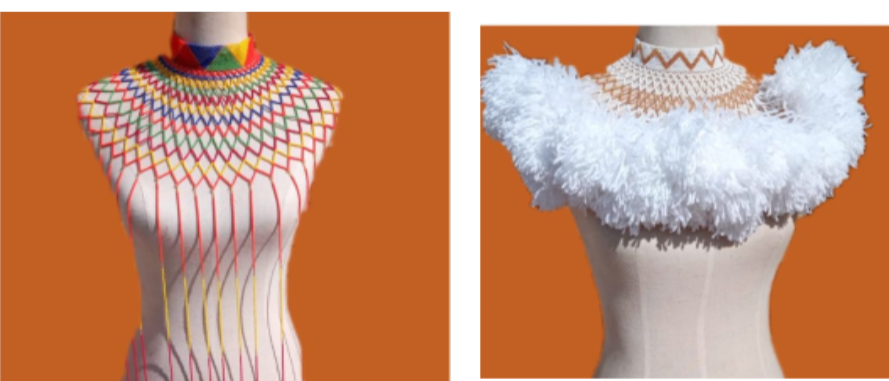
We catch up with Nkanyezi Ntanda, a 23 year old woman with a passion for culture, education, and empowerment. She is the founder and leader of Ukukhanya Kwezintombi Cultural Group, which operates under the guidance of Gogo Ntanda. She is currently a third-year university student. Nkanyezi is also a young entrepreneur and the founder of NyeziArtworks.
Ukukhanya Kwezintombi Cultural Group was established to guide young girls on the importance of abstinence and self respect. Nkanyezi shared that their vision is to take girls off the streets, empower them to take control of their bodies, and help prevent teenage pregnancy through cultural values and positive mentorship.
What does the Reed Dance mean to you personally and culturally?
Culturally, the Royal Reed Dance is a celebration held every September for maidens who have kept themselves pure through virginity or abstinence for the year. To qualify, maidens undergo monthly virginity testing before attending the annual ceremony previously held at Enyokeni Royal Palace in Nongoma and now hosted at eMashobeni Royal Palace.
Personally, it is an experience I would never trade for anything. It represents perseverance, self discipline, and overcoming societal challenges throughout the year. Each ceremony makes me proud of staying true to my values and resisting premature sexual activity.
How do you handle backlash or criticism about wearing imvunulo and baring your breasts during the celebration?
Wearing imvunulo is a compulsory part of the Reed Dance. In Zulu culture, it is normal for unmarried women to be bare breasted. For me, this tradition boosts body confidence. It teaches us to embrace our bodies and celebrate them as they are.
As modern maidens, we often capture photos and videos during the ceremony to preserve our memories. Unfortunately, many of these get flagged or banned on social media as “nudity.” While discouraging, it has never stopped us from attending or sharing our culture.
Criticism also extends beyond social media. Once, we were denied service at a shop because we were labeled “indecent.” We had to cover up just to buy essentials. These challenges remind us of the clash between cultural pride and westernised social norms.
What lessons can young women learn about abstinence through this tradition?
To young women, choosing abstinence is not a loss, it is a gain. They gain freedom from unplanned pregnancies, STIs, and HIV. They have time to focus on education, self love, and building resilience. You also gain a powerful sisterhood that strengthens you for life. The wait is always worth it.
How can culture promote gender equality today?
Culture can promote and teach gender equality by challenging harmful stereotypes such as the belief that women belong in the kitchen, that they are not allowed to be independent, or that they must depend on men to be considered successful. It can also foster inclusivity in families by encouraging both women and men to share household responsibilities equally, and by educating communities on the importance of equal opportunities for all.
Schools and community programs can play a key role by teaching respect for women’s rights and creating leadership opportunities for young women within cultural and religious institutions. This helps ensure that women’s voices are heard and their concerns addressed.
The Reed Dance itself shows how culture can highlight equality. Successful maidens, women who are educated, financially independent, and owning their own homes and cars, prove that success does not require male validation. A pure maiden can achieve everything without prioritising a male figure in her life.
Maidens can also organise marches and campaigns to call out those who objectify their bodies on social media. By addressing this issue, they take a strong stance against sexual harassment and gender based violence. Culture becomes not just a celebration of tradition, but a platform to empower women and promote equality in modern society.
What are your future plans, and what advice would you give to young women?
My plans are clear: to make the most of my youth, complete my education degree, buy a house and car, and build financial independence. Only then, if God wills, may marriage follow.
My advice to young women; it is never too late to start taking care of yourself physically, emotionally, and financially. Build independence so that you owe no man anything. Empowerment begins with you.
Call for Action
Ukukhanya Kwezintombi Cultural Group relies on event bookings to raise funds. They are available to perform at weddings, birthday parties, graduation ceremonies and baby showers. By supporting and booking them, will be directly contributing to an empowerment of the young Girls.
NyeziArtwork
Bookings Contact: +27 63 317 8818
Fee: R1500 (excluding transport)
Facebook: @Ukukhanya Kwezintombi