
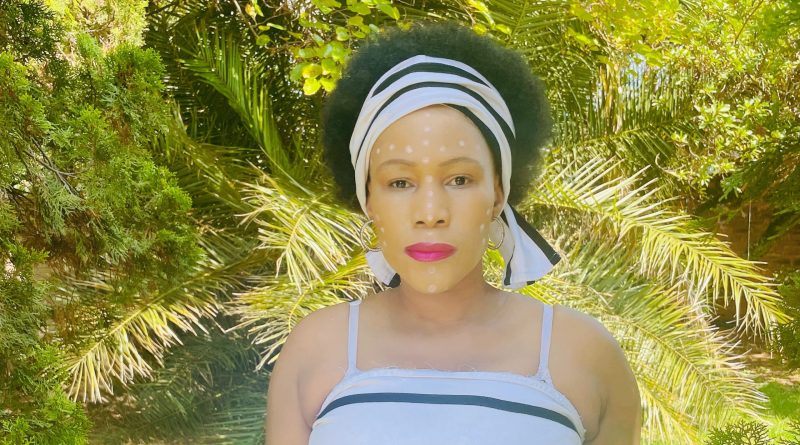
Redefining Modesty: Women, Modesty, and Power in South Africa
What is Modesty?
Modesty is a complex subject, as it varies across different socio-cultural ethnicities. Therefore, women’s modesty is reflected in their cultural and religious beliefs. In Zulu culture, a maiden wearing an isibheshu and baring her breasts might be seen as a display of modesty and cultural pride. However, in Bapedi culture, young maidens are taught to cover up as a sign of modesty and respect for their traditions during Komeni (initiation into womanhood).
Clothing is a basic need and a personal choice. It is what differentiates humans from animals. Some might argue that certain pets, like dogs owned by white people, wear clothes too. However, for animals, clothing is not a basic need. Each person has distinctive clothing, and society should embrace the uniqueness of individual clothing choices.
Who dictates modesty?
Sometimes, women dictate what is considered modest for other women. Society has attributed provocative dressing to attention-seeking behaviour and an invitation to sexual violence. Women who are often perceived as provocative are frequently harassed and sexually violated by men. In some cultures, women are silenced and perceived as sexual objects, whereas men are regarded as subjects.
When a dress is removed from a woman’s body and placed aside, it bears no immodesty or sexual connotation. However, when it is worn, it becomes an attraction and is relegated to immodesty or an unethical dress code. Therefore, it is not the clothing but the oppressive cultural society that objectifies women’s bodies. This devalues the worth of women.
Is it the social systems?
In my opinion, culture is interlinked with religion. Both social systems are hotbeds for the social oppression of women, and the perpetuation of modesty is deeply entrenched in them. Religion and culture are enshrined in the Bill of Rights, Chapter 9 of the South African Constitution, often defended by government institutions, yet their implications on the ground are not monitored.
Hence, these social systems are habitually misused, especially to oppress women socially. The country should be reminded that culture and religion were shaped by the system of colonialism. Both systems are used as convenient excuses to dictate modesty for women while excluding men.
Why only applicable to women?
Modesty applies only to women. Women are culturally subjugated into wearing clothing that fits ethical standards aligned with cultural narratives. For example, a widow is dressed in all-black clothing during the mourning period, but a widower may be exempt from wearing black clothing for the entire duration of mourning.
A woman’s dress code does not necessarily cause sexual violence against women. For instance, in the first quarter of 2024/2025, South Africa recorded 9,309 rapes; does this mean all these women were provocatively dressed? It is untrue and unfounded that provocative clothing invites sexual violence against women, as women who cover up also become victims of such violence. Furthermore, girls and boys are also victims of similar violence. Women do not dress with the intent to attract men. Female modesty is used to justify violent behaviour by men.
Conclusion
In some parts of South Africa, modesty is no longer a dictating factor, and I believe this reflects progress in urban areas; however, in rural communities, it is still deeply practiced, and women are subjected to oppressive cultural-religious norms to be perceived as “noble women.” Female modesty is controlled by subordinate women. In rural areas, culture and religion reign supreme, and modesty is attributed to a “virtuous woman,” an achievement of high status within their societal lens. Covering up women’s bodies was not an African concept but a colonial project, as colonial powers often perceived the Black woman’s body as overly revealing or inappropriate.
I encourage women to dress in ways that make them feel confident and empowered. It is essential to respect a person’s choice and not impose specific modesty standards on them, as long as they feel good about themselves.


