Dr. Vertuin’s Proudly Able: Finding Purpose in Disability
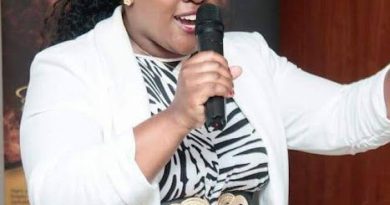
Meet Dr. Ncamsile Vertuin, inspirational visionary woman with a disability who has defied odds despite contracting polio at a young age, wheelchair for mobility. Hailing from rural Pietermaritzburg, KwaZulu-Natal, Dr. Vertuin is the youngest of nine siblings. In 2015, she established Proudly Able, a non-profit organisation dedicated to empowering individuals with disabilities through skills development and advocacy.
Can you briefly share the mission and activities of Proudly Able Non-profit organisation?
Proudly Able’s mission is to create employment opportunities for people with disabilities and those who are previously disadvantaged, enabling them to contribute to the country’s economy. The organisation aims to develop training facilities for disabled individuals and address disability-related issues through skills development and various sports, working to overcome the stigma associated with disabilities.
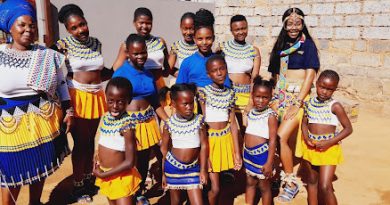
Proudly Able offers a range of activities, including handcraft work, sewing, computer skills programs, sign language training, baking, and running a soup kitchen. The organization supports individuals from all racial and age groups, including mothers of children with disabilities, and also assists other vulnerable community members such as orphans and the elderly who cannot support themselves.
What are the challenges faced by a Proudly Able NPO?
Proudly Able’s mission is to create employment opportunities for people with disabilities and those who are previously disadvantaged, enabling them to contribute to the country’s economy. The organisation aims to develop training facilities for disabled individuals and address disability-related issues through skills development and various sports, working to overcome the stigma associated with disabilities.
Proudly Able offers a range of activities, including handcraft work, sewing, computer skills programs, sign language training, baking, and running a soup kitchen. The organization supports individuals from all racial and age groups, including mothers of children with disabilities, and also assists other vulnerable community members such as orphans and the elderly who cannot support themselves.
What are the challenges faced by a Proudly Able NPO?
Since its establishment in 2017, Proudly Able has relied solely on donations, as it has not received any government funding. Key challenges include the need for social workers, caregivers, facilitators, equipment, and other crucial resources, with funding being the primary obstacle. Securing funding would enable the organization to develop its systems, monitor work progress, and ensure that all projects achieve their goals. This support would help Proudly Able create ward-based cells to ensure that no disabled person in Pietermaritzburg is left behind in accessing necessary support and resources.
Proudly Able is also involved in the local government structure, representing the interests of vulnerable groups as part of the local municipality council war room. The organization’s achievements include winning the Community Builder Award of the Year in 2019, receiving a R20,000 donations from the iCebolethu Group at ICC Durban, and the founder/chairperson being honoured with a Doctorate Certificate in 2020 for her outstanding work in the community and KZN. Additionally, a state-owned entity donated sewing machines to the organization.
As a person with a disability, society often perpetuates stigma by viewing disability as a curse, as if your parents were unfortunate to have a child like you. This leads to embarrassing and harmful comments that make you feel like you don’t belong or that you’re a burden to be hidden. It is especially impactful if your family also feels ashamed of what others think of you.
I told myself that I am not defined by what happened to me, and this mind-set has given me the confidence to live my life fully. I am uniquely capable, and I can do everything from my wheelchair that someone standing on two legs can do. Society tends to focus on pity and shame instead of recognising the value I bring to my community. There is a prevailing mentality that if you are disabled, you are incomplete or incapable, not acknowledging that we all have different abilities.
What systematic inequalities/ challenges are faced by disabled people?
People with disabilities face numerous and persistent challenges, including systemic inequalities related to building infrastructure. Many buildings are not accessible for wheelchair users, with issues such as a lack of ramps and elevators that are not functioning properly. This impacts everyone, including those who are blind. Communication barriers also limit access for the deaf community, who use sign language, as well as those who use braille and audio descriptions.
In South Africa, where sign language is now an official language, it is crucial for both government and private sectors to have sign language interpreters. This should start with high-profile offices such as the President’s Office and Parliament, setting a precedent for compliance and not just token implementation. Disabled individuals are increasingly frustrated with negative attitudes and the lack of support. For example, reporting critical gender-based violence (GBV) cases at local police stations is challenging for deaf individuals due to the absence of interpreters. This lack of accessibility can result in perpetrators escaping justice due to insufficient evidence.
Moreover, there are issues of isolation, limited access to inclusive education, job opportunities, and participation in decision-making, policy development, and economic equality.
In your opinion, what can be changed within the system in order to be inclusive and equitable for disabled women, and again especially those faced GBV?
Gender-based violence (GBV) is a significant issue in South Africa, particularly affecting women with disabilities and children. Inclusive policies for disabled people need to be developed more frequently, addressing their unique needs in areas such as workshops, healthcare, law enforcement, and social services.
The government must ensure the availability of safe facilities, shelters, and resources for disabled individuals who experience abuse. Firm action should be enforced when protection orders are issued against perpetrators. All sectors should collaborate with organizations led by disabled women to raise awareness and promote inclusive services.
As the leader of an organisation for people with disabilities and a wheelchair user myself, I face challenges in securing funding and resources to support my vision. Since Proudly Able was established in 2016, I have relied solely on donations and have not received any government funding.
The government needs to engage with us and support our efforts. We aim to make South Africa a better place not only for disabled people but for everyone, including our future leaders. All we need is support and empowerment, whether we are facing GBV or not, because we are human and we are Proudly Able.
In conclusion, investing in people with disabilities is not a loss but a blessing, offering them a new lease on life and shifting the focus from disability to ability.
- To pledge donation, please contact
- Cell : 082 432 8895/064 6655 132
- Email: proudlyable@gmail.com